
Let’s be real. There’s nothing quite like the panic of holding a syringe for the first time while your attending breathes down your neck. You’re trying to remember which needle to grab and praying you don’t calculate the dosage wrong. We’ve all been there, sweating through our scrubs and completely blanking on basic math.
The good news is that you don’t need a photographic memory to survive the clinic. You just need a bulletproof, practical system that works under pressure. Here is your survival guide to local anesthesia.
The No-Nonsense Local Anesthesia Guide
To stop shaking and start numbing effectively, we need to eliminate the guesswork. We are going to simplify your tray setup and give you the only calculation shortcuts you actually need.
Dosage Calculations Without the Panic
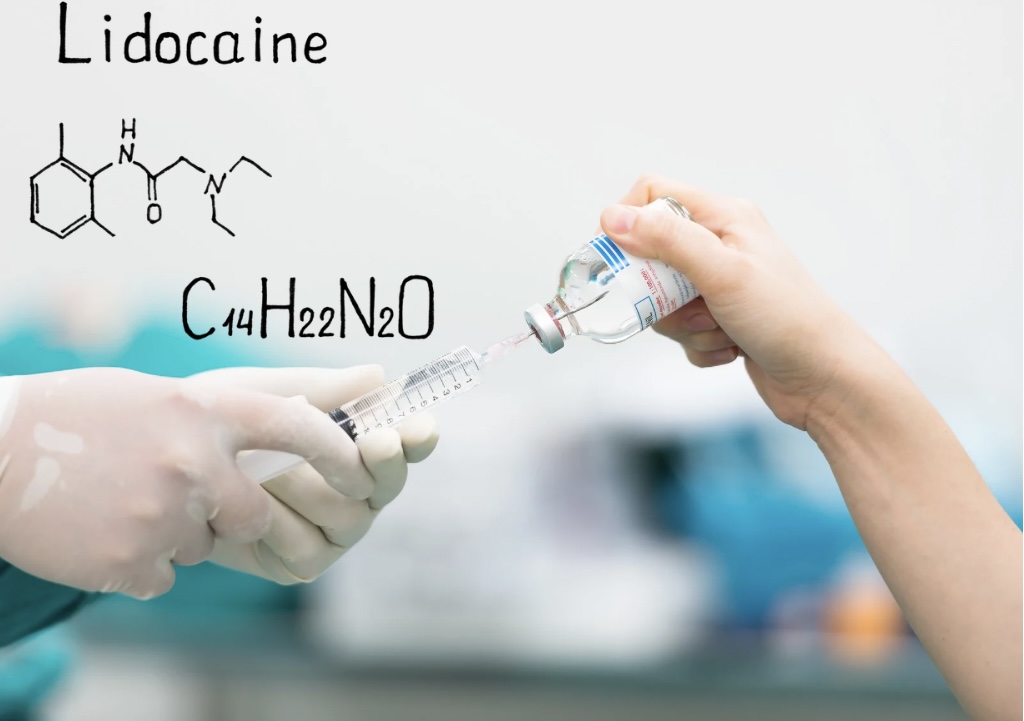
Let’s talk about Lidocaine 2% with 1:100,000 epinephrine, the absolute bread and butter of American dental clinics. Memorizing complex formulas is useless when your patient is wide open and waiting.
Here is the ultimate cheat code for a healthy adult patient:
The Carpule Math: A standard US dental carpule contains 1.8 mL of solution. Since it is a 2% solution (20 mg/mL), you multiply 20 by 1.8 to get exactly 36 mg of Lidocaine per carpule.
The Safe Limit: The maximum recommended dose (MRD) for Lidocaine with epinephrine is 3.2 mg/lb (or 7.0 mg/kg), with an absolute maximum of 500 mg.
The Clinical Shortcut: For an average, healthy adult weighing over 150 lbs, your absolute ceiling is roughly 8 to 11 standard carpules.
You’ve Got This
Don’t let anesthesia anxiety hold you back from being a great practitioner. Memorize these standard baselines, trust your anatomical landmarks, and take a deep breath before you uncap that needle. You are going to crush this procedure.